
The UFCW’s Occupational Safety and Health (OSH) Office has guidelines to help locals protect our members from the risk of cold weather hazards this winter.
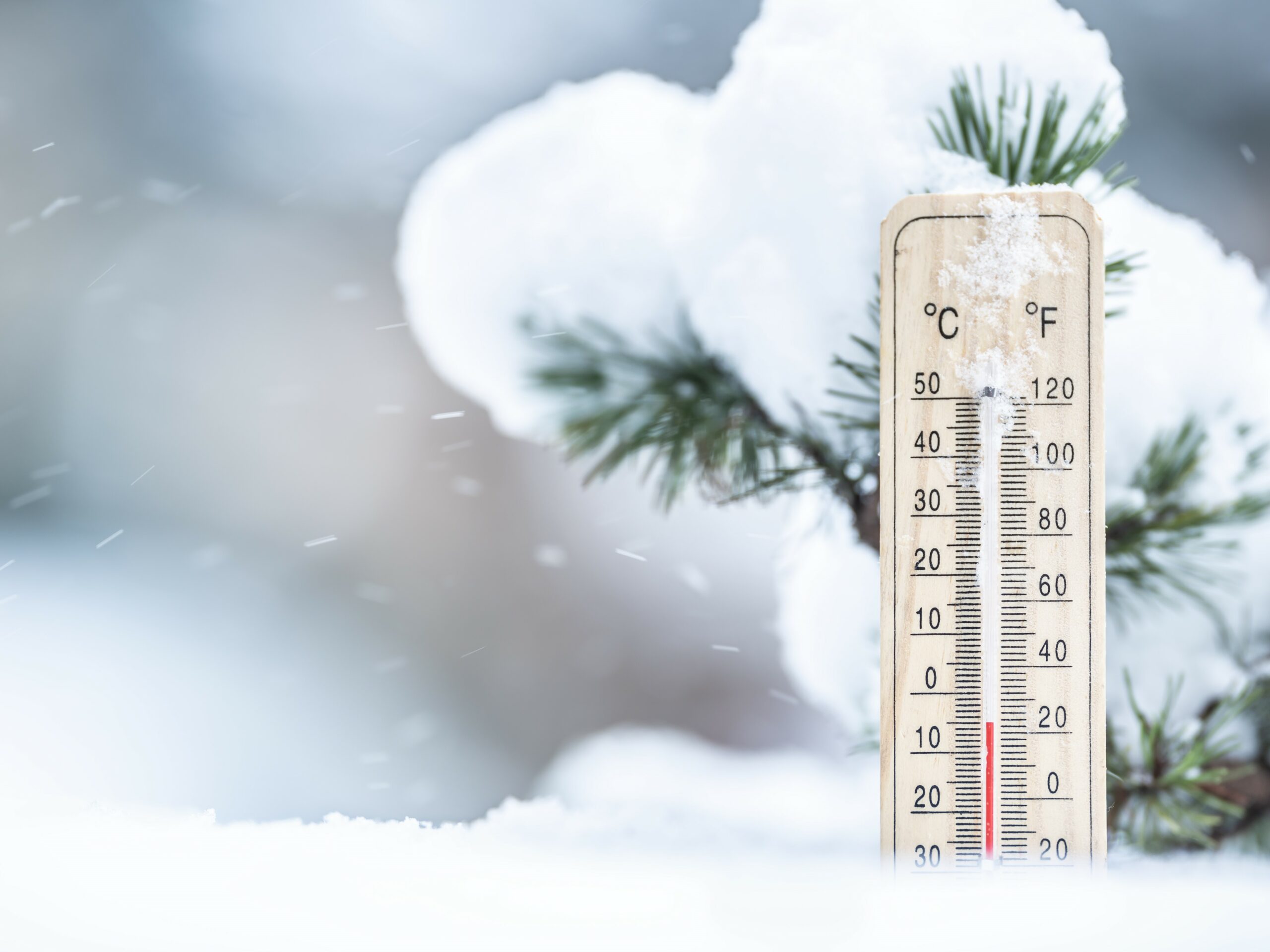
As winter weather makes its way into many parts of the country, our members who work outdoors often are becoming increasingly at risk for frostbite, hypothermia, and cold stress. It is important to always check the wind chill temperature before leaving the house and clocking in to work. It is also important to know the signs and symptoms of cold-related illnesses.
Frostbite is a type of skin damage caused by being outside in freezing temperatures. Symptoms include pain, blisters, swelling, numbness, and skin discoloration and most commonly affect your fingers, toes, ears, and nose.
Hypothermia is a serious and potentially fatal medical condition where the core body temperature drops below 95 degrees Fahrenheit. It is caused by exposure to cold weather or immersion in cold water. In hypothermia, the body is unable to produce heat as quickly as it loses heat, causing the body temperature to drop dangerously low and can cause the heart and respiratory systems to fail. Symptoms include shivering, shallow breathing, slurred speech, weak pulse, confusion, drowsiness, and loss of consciousness. Confusion can lead to reduced self-awareness and increased risk-taking behaviors, which is why it is important to have a buddy system where someone else monitors your physical condition in cold weather, and vice versa.
Cold stress is a condition that can lead to more serious illnesses like frostbite and hypothermia. Cold stress symptoms include reddening skin, tingling, pain, cramps, and numbness.
To protect yourself from the cold winter weather and do your job safely, the OSH Office recommends you follow these work practice guidelines:
1. Know the symptoms of cold stress, frostbite, and hypothermia.
2. Use a buddy system whenever possible. Monitor yourself and your co-workers for any symptoms of hypothermia or frostbite while on the job.
3. Wear at least three layers of clothing, insulated gloves and boots, and a warm hat. Thermal underlayers are a great way to trap body warmth using moisture wicking fabric.
4. Stay dry and pack extra clothes, especially if you work somewhere with snow or sleet. Moisture can contribute to heat loss from the body, so it is important to stay dry whenever possible.
5. Drink warm liquids.
6. Wear footwear with good traction and insulation and take shorter steps to prevent slipping or falling on icy or wet surfaces.
7. Take breaks in dry, warm areas.
For more information about cold weather hazards and safety tips, please contact Occupational Health and Safety Specialist Victoria Valentina at vvalentina@ufcw.org.